NIH Websites Are Changing
Global Health at NIH
A medical mystery on the island of Guam has perplexed investigators for more than half a century. In a recent National Institutes of Health lecture, Daniel Perl, MD, posits that renewed investigations of cases of amyotrophic lateral sclerosis (ALS) and dementia on Guam could lead to therapies or cures for patients with related neurological disorders.
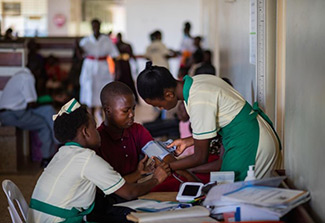
Researchers studying sickle cell disease (SCD) in Tanzania, Ghana, Uganda and Nigeria discuss their work and the potential benefits for patients worldwide.
Sickle cell disease in Africa
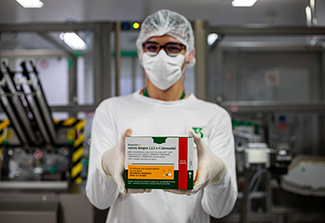
Brazilian Health Regulatory Agency approved the world’s first
single-dose dengue vaccine, which is based on the research and clinical development of
NIAID scientists.
Research on Dengue fever
More global health research stories from around NIH
Global health initiatives at NIH
Many NIH Institutes, Centers and Offices (ICOs) are engaged in global health research and research training activities.
Global health initiatives at NIH
Recent global health news from NIH
Related Resources
Subscribe
Sign up to receive Fogarty's
Global Health Matters e-newsletter
Updated September 2, 2026